Is vaping dangerous for your health?
What is vaping?
Vaping involves inhaling vapor produced by an electronic cigarette. This device heats a liquid (called e-liquid) composed of propylene glycol, vegetable glycerin, flavorings, and often, nicotine. Unlike the combustion of tobacco, vaping does not produce smoke but a vapor containing various chemical compounds.
Composition of an electronic cigarette and e-liquids
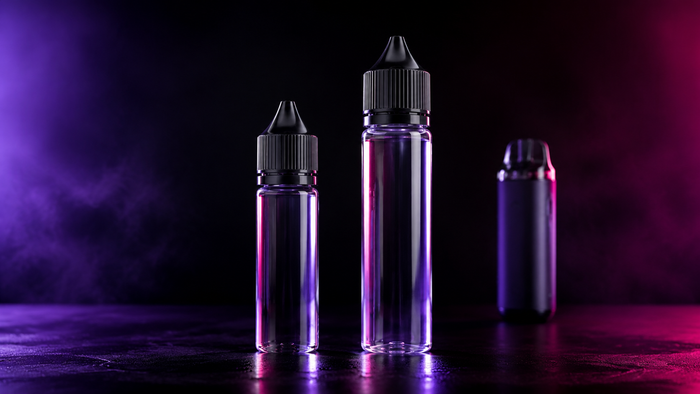
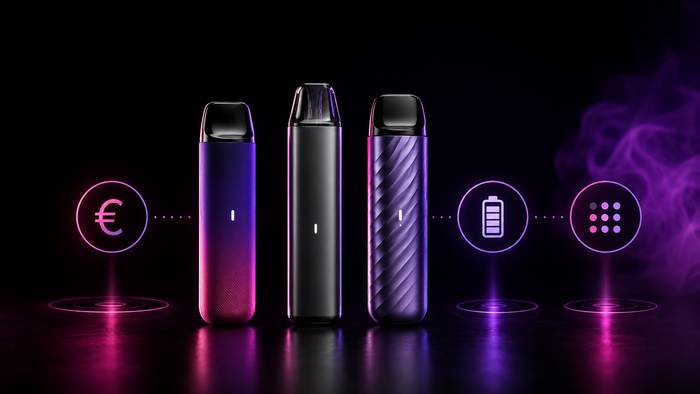
Electronic cigarettes consist of a battery, a tank, a coil, and a mouthpiece. E-liquids primarily contain:
Propylene glycol (PG)
Vegetable glycerin (VG)
Nicotine (optional)
Flavorings (natural or artificial)
Difference between traditional cigarettes and electronic cigarettes
The main difference is the absence of combustion. A traditional cigarette releases more than 7,000 chemical substances, several of which are carcinogenic. Vaping, on the other hand, generates vapor with significantly fewer toxins.
Short- and long-term health effects
Immediate effects and common side effects
Beginner vapers may experience side effects such as:
Throat irritation
Dry cough
Dry mouth
Nausea (in case of nicotine overdose)
These effects often disappear with time or by adjusting one's equipment or nicotine level.
Risks to the respiratory system and lung diseases
According to Santé Publique France, no solid scientific evidence links vaping to serious respiratory diseases in non-smokers. However, cases of lung damage linked to adulterated products have been reported in the United States.
Potential cardiovascular effects
Some studies suggest a temporary increase in blood pressure and heart rate, especially in sensitive individuals. However, these effects remain lower than those induced by traditional cigarettes.
Consequences on mental health and the brain
In young people, nicotine can disrupt brain development. It can also promote anxiety, nervousness, and addiction.
Studies on respiratory health and testimonials from former smokers
Many ex-smokers report an improvement in their breathing, sense of smell, and physical fitness after switching to vaping. The High Council for Public Health considers vaping a harm reduction tool.
Nicotine, dependence, and addiction
Role of nicotine in dependence
Nicotine is responsible for tobacco dependence. Vaping a nicotine-containing e-liquid maintains dependence, but with fewer risks associated with tar and carbon monoxide.
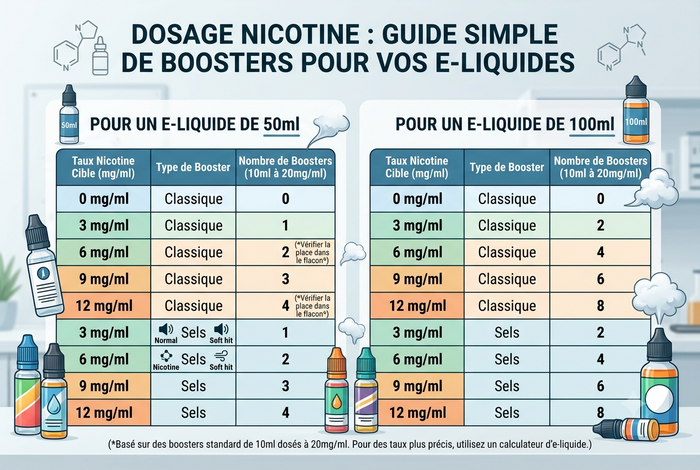
Nicotine levels in e-liquids
Choosing the right level is crucial to avoid relapsing into smoking.
Withdrawal symptoms and smoking cessation
Switching to vaping can alleviate withdrawal symptoms: nervousness, irritability, urge to smoke.
Risk of returning to traditional cigarettes
This risk exists if the nicotine level is poorly adjusted or if one is not properly supported. Monitoring by a professional is recommended.
Vaping among young people: a worrying trend
Youth vaping epidemic and peer pressure
The increase in vaping among adolescents concerns authorities. The recreational and flavorful aspect of e-liquids can attract them.
Impact of vaping on adolescent brain development
Nicotine can permanently affect the developing brain, harming concentration, memory, and impulse control.
Opinion of the High Council for Public Health on young vapers
The HCSP recommends strengthening prevention and banning sales to minors.
The chemistry of e-liquids: what chemicals?
Main ingredients: propylene glycol, glycerin, flavorings, nicotine
These compounds are authorized in food, but their prolonged inhalation is still under study.
Presence of potential pollutants and contaminants
Traces of heavy metals, acrolein, or formaldehyde have been found in some vapors, but at levels much lower than those in tobacco smoke.
Safety of vaping devices
Use certified devices and maintain them regularly.
Regulation and legal framework in France
Vaping regulations and product labeling
Since 2016, vape products have been regulated by the European TPD directive. Labeling, maximum nicotine content (20 mg/ml), and health warnings are mandatory.
Restrictions on sales to minors
The sale of vaping products is prohibited to individuals under 18 years of age.
Advertising regulations and vape-free zones
Promotion is strictly regulated. Vaping is prohibited in certain public places (transport, educational establishments).
Economic and societal costs
Individual costs of vaping vs. tobacco
Vaping is much cheaper than smoking: a 10 ml bottle often costs less than a pack of cigarettes.
Healthcare costs for society
Costs related to tobacco are estimated at over 100 billion euros per year. Those for vaping are currently much lower.
Mortality linked to vaping: myth or reality?
No serious study has demonstrated mortality attributed to vaping within the framework of use compliant with European regulations.
Conclusion: assessing risks and making an informed choice
Vaping to quit smoking: a supervised strategy
The electronic cigarette can be an effective aid for smoking cessation, provided you are well-informed and supported.
The role of information and medical follow-up
A healthcare professional can guide you in choosing equipment, nicotine dosage, and gradual vaping cessation.
Summary of beneficial effects vs. potential risks
Compared to tobacco, vaping is a less harmful alternative. But it is not without risk, especially for young people or non-smokers.